Which Best Explains Why Fertilizer Runoff Is O Bad
Conversion of light energy from the sun. Injured soil becomes prone to compaction which makes it vulnerable to runoff and erosion and limits the growth of stabilizing plant roots.
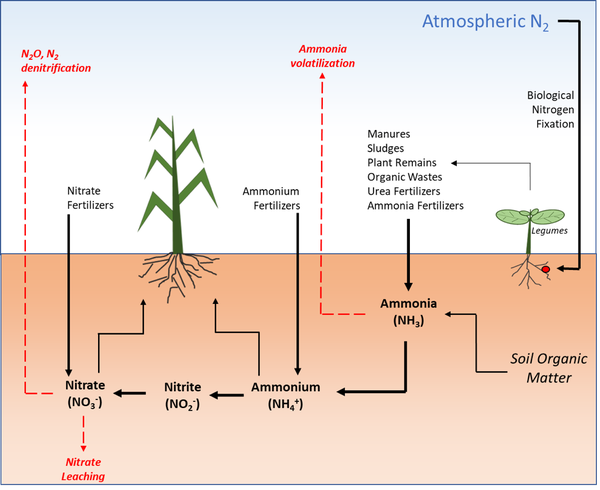
Nitrogen Management And Water Quality Nc State Extension Publications
Destruction of Soil biodiversity.
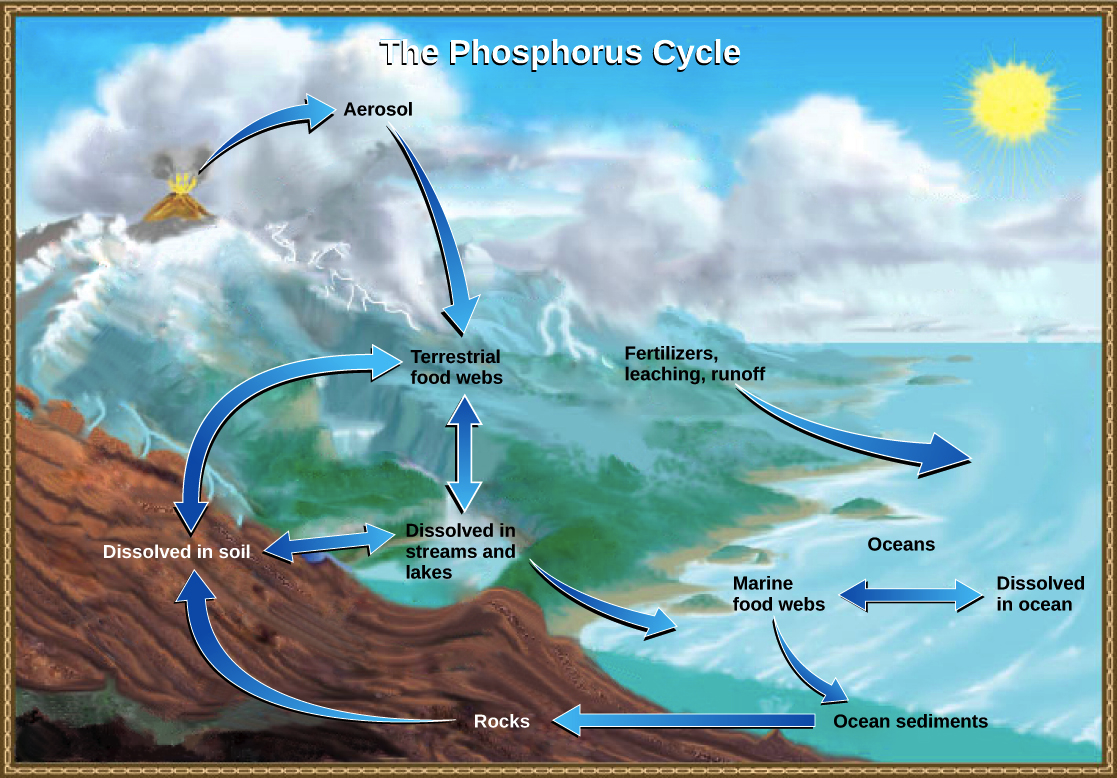
. However erosion causes the nutrients from these fertilizers to runoff into bodies of water. This process is called eutrophication. At one time phosphates were also used in detergents.
As runoff increases nitrate levels decrease. These nitrogen and oxygen molecules that crops need to grow eventually make their way into rivers lakes and oceans fertilizing blooms of algae that deplete oxygen and leave vast dead. Nitrates phosphates and other nutrients are abundant in common agricultural fertilizers.
The use of chemical fertilizers on crops can have adverse effects on waterways caused by chemical run off of the excess fertilizer. Nonpoint sources of runoff can be large urban suburban or rural areas. The concentrations found in field runoff are typically much higher than an ecosystem is used to.
This increases the concentration of the fertilizers in. The use of inorganic fertilizer also has direct impacts on the local environment where it is used. Poorly managed animal feeding operations overgrazing excessive plowing.
Measuring the input and runoff. As runoff decreases nitrates cause algae populations to decrease. Most of the time we test for runoff pH to gauge fertilizer building up in the soil which causes it to get very acidic as well as exert osmotic pressure on the plant.
Over the past several months the nitrate levels of the water in the river have been increasing. Creating inorganic nitrogen fertilizer requires extremely high temperature and pressure. Omega-3 oils are some of many nutrients which are rapidly declining in our foods.
As it flows over the land surface stormwater picks up potential pollutants that may include sediment nutrients from lawn fertilizers bacteria. When the algae die they. Water with low dissolved oxygen cannot support life so fertilizer runoff results in huge dead zones like the one off the Mississippi River Delta.
Nonpoint source pollution is any source where runoff does not go directly into a waterway. Which best explains the cause of the increasing nitrate levels. Fertilizer runoff pollutes the water shed and water down stream.
It is not just the soil that is losing out. Generally more susceptible than organic fertilizers to leaching and runoff and may be more likely to cause unintended off-site impacts. A lack of omega-3s is known to lead to heart disease cancers mental disorders such as attention deficit disorder and.
This in itself is not a bad thing however when these algae die and are decomposed they result in a net decrease in dissolved oxygen. Agricultural runoff happens when agricultural activities are not well-managed. Why does agricultural runoff happen.
This causes too much growth in bays and coastal waters. There are four factors that contribute to. Runoff from fertilizers is a strong contributor to high phosphate levels.
When the excess nutrients from all the fertilizer we use runs off into our waterways they cause algae blooms sometimes big enough to make waterways impassable. This causes oxygen depletion. The runoff damages the environment by increasing the amount of these fertilizers in water bodies like watersheds lakes and rivers.
But over fertilizing with high-quality fertilizers can also lead to root burn due to an overabundance of soluble salts in the soil. Overfertilizing and fertilizing at the wrong time of year are two major causes of fertilizer runoff and the results damage ecosystems and human health. The salts essentially burn the roots and even sometimes the.
As runoff decreases nitrates cause water temperatures to increase. It is our health. The leaching of fertilizer particularly nitrogen and phosphorous can pollute groundwater aquifers particularly in greenhouses with dirt floors.
Bad sign for ecosystem. The over-abundance of nutrients in the water reduces. Bacteria and algae grow extremely quickly using fertilizer nutrients.
Why might stormwater runoff be a problem. One of the primary effects of fertilizer runoff is eutrophication excessive nutrient richness in a body of water such as a lake pond spring stream or estuary. Too much fertilizer can actually kill the plant and excess fertilizer can runoff into streams and lakes causing toxic algal blooms that are harmful to aquatic life and even people and their.
According to the National Oceanic and Atmospheric Administration NOAA 65 of studied estuaries and coastal waters in the contiguous United States have experienced eutrophication. Environmental Implications of Excess Fertilizer and Manure on Water Quality. When nutrients and other pollutants associated with animal.

How To Choose The Right Spot To Plant A Tree Visual Ly Trees To Plant Plants Berry Garden
The Phosphorus Cycle Article Ecology Khan Academy

The Pros And Serious Cons Of Fall Fertilizer Application Alberta Farmer Express

Lake Erie Algae Monster Poster 12x18 Etsy Sci Fi Horror Movies Lake Erie Sci Fi Horror


Comments
Post a Comment